Coffee guide
“Single origin” means coffee traced to one place. And place changes everything. Altitude, soil, climate, and variety give each country a signature. Here are the most popular origins, the regions inside them, and what each tastes like.
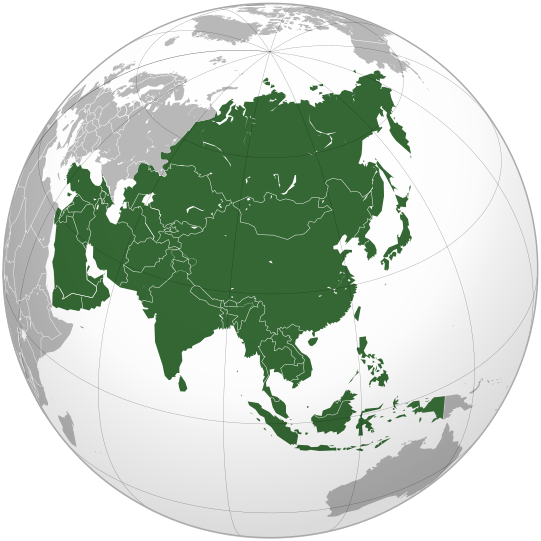
Home, plus the big producers of Southeast Asia and the Pacific.
Home origin, and one of the few growing all four species
Few countries grow Arabica, Robusta, Excelsa, and Liberica all at once. The Philippines does. That gives our coffee real range, from bright Cordillera Arabica to bold, smoky Batangas Barako. The full Philippine guide →
The world's number two producer
Mostly Robusta, grown across the Central Highlands, and the backbone of strong, low-acid coffee worldwide. Think dark chocolate, roasted nuts, and the sweet punch of ca phe sua da over ice. Da Lat also grows a small but rising specialty Arabica crop.

Earthy, heavy, savory
The wild card. The traditional wet-hulled process (giling basah) gives Sumatran coffee its signature earthy, savory, almost mushroom-and-cedar funk. Heavy-bodied and low-acid. You either love it or you don’t.

Ancient, wild, and complex
One of the oldest coffee cultures on earth, still farming heirloom varieties on ancient terraces. Naturally processed and intense: wild, winey, and fruity with deep spice. Rare and unmistakable.
Highland Arabica, clean and sweet
Arabica grown on remote highland smallholdings, often from Jamaican Typica stock. Clean and sweet with chocolate, tropical fruit, and a soft, rounded body. A quiet favorite that drinks like a gentler Latin American cup.
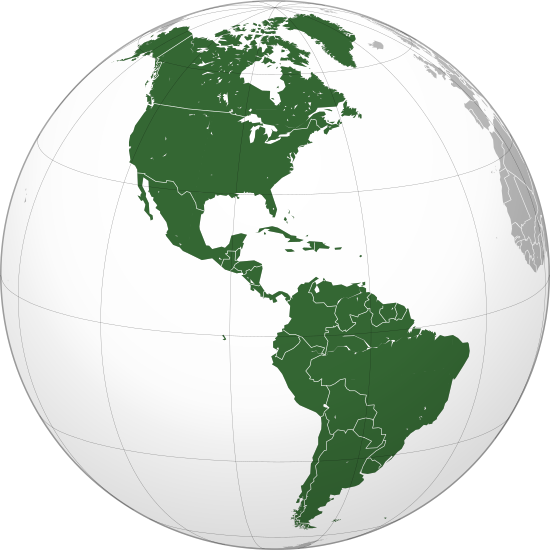
The dependable middle of the coffee world.
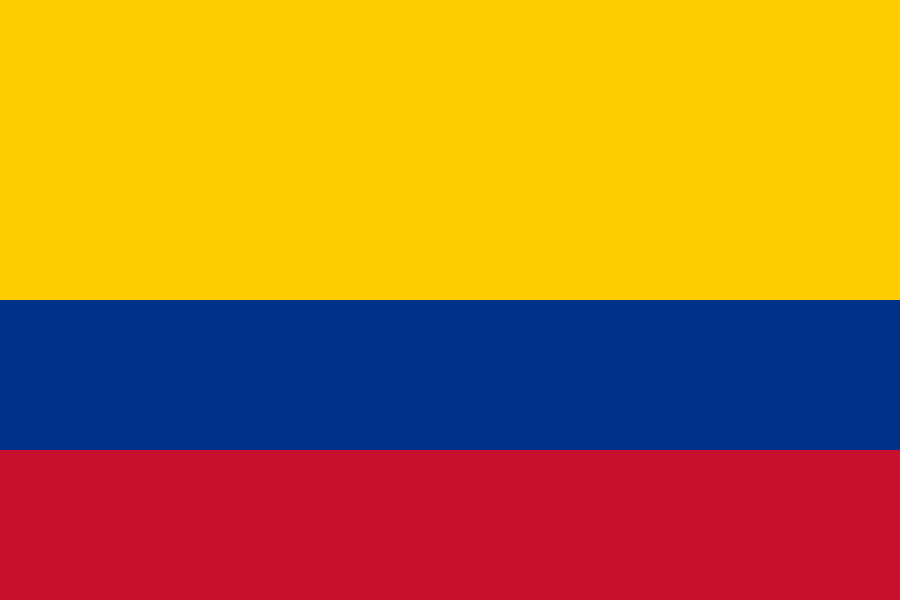
The dependable all-rounder
Balanced and crowd-pleasing. A vast range of microclimates and a near year-round harvest make Colombia endlessly reliable: caramel sweetness, gentle citrus, clean finish. The easy “yes.”
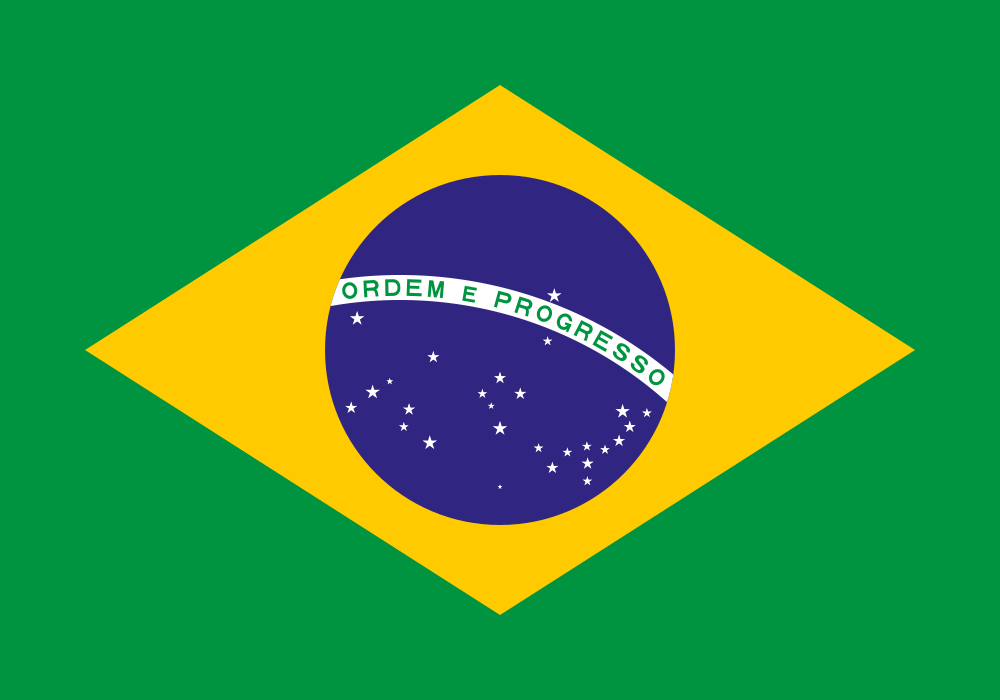
The world’s biggest producer
The backbone of the coffee world and most espresso blends. Mostly natural-processed and grown at lower altitudes, so it’s nutty, chocolatey, and smooth rather than bright. Comfort in a cup.
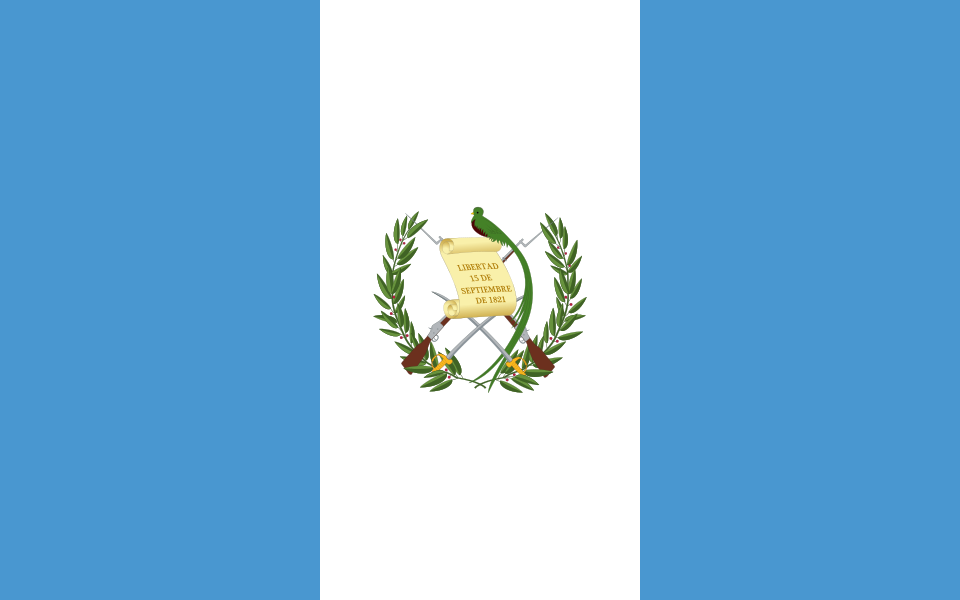
Chocolate and volcanic spice
Volcanic soils and high altitude give Guatemala a rich, complex cup: dark chocolate and spice with a bright citrus lift. Antigua and Huehuetenango are the headline regions.
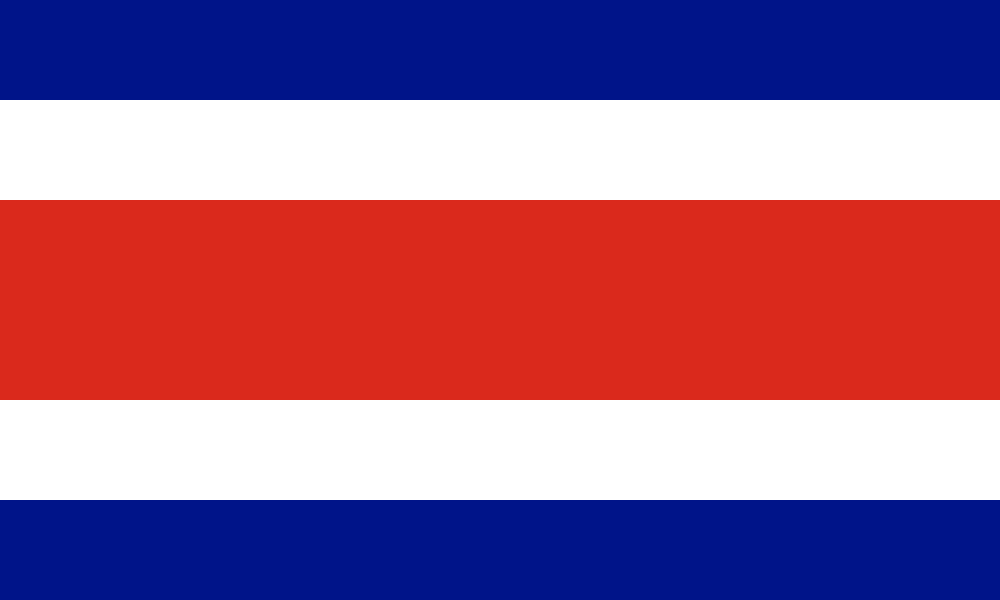
Clean, sweet, and honeyed
By law, Costa Rica grows only Arabica, and it shows in the polish. The pioneer of honey processing, it delivers clean, sweet, bright cups. Tarrazú is the marquee region.
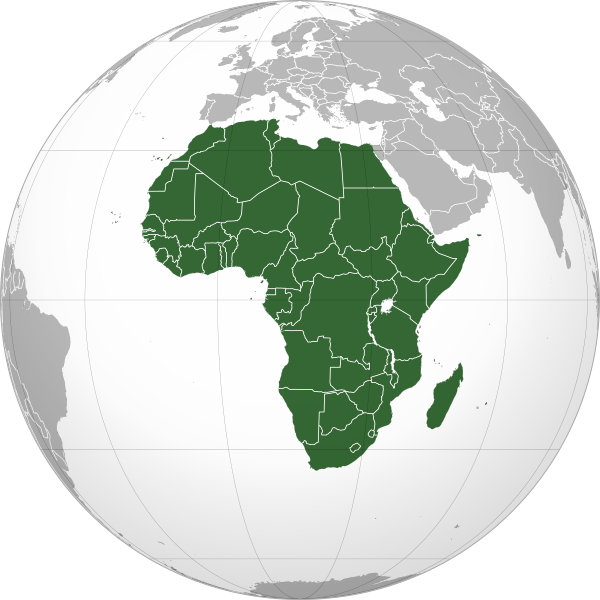
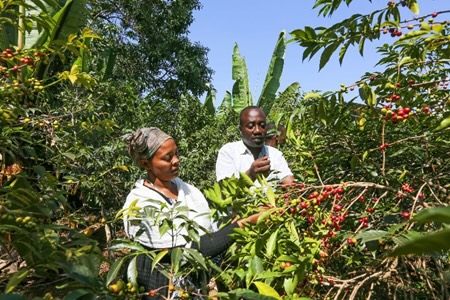
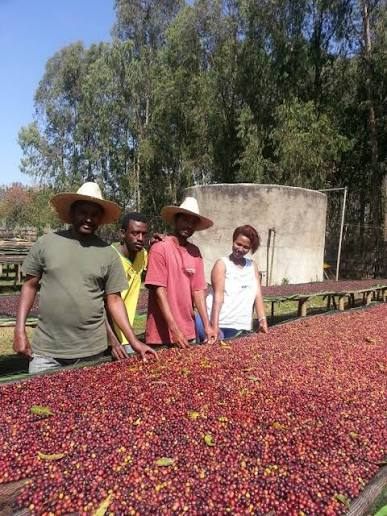
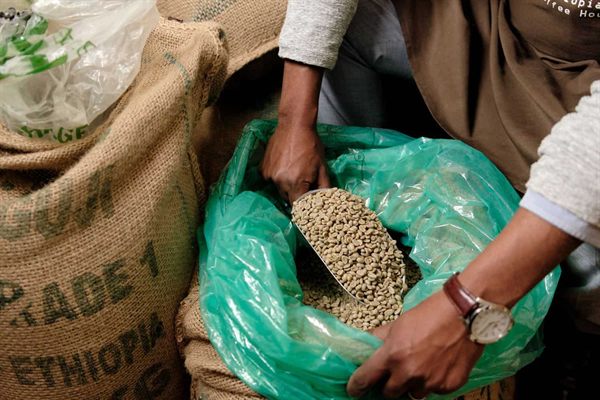
Where coffee began, and still some of the brightest cups.
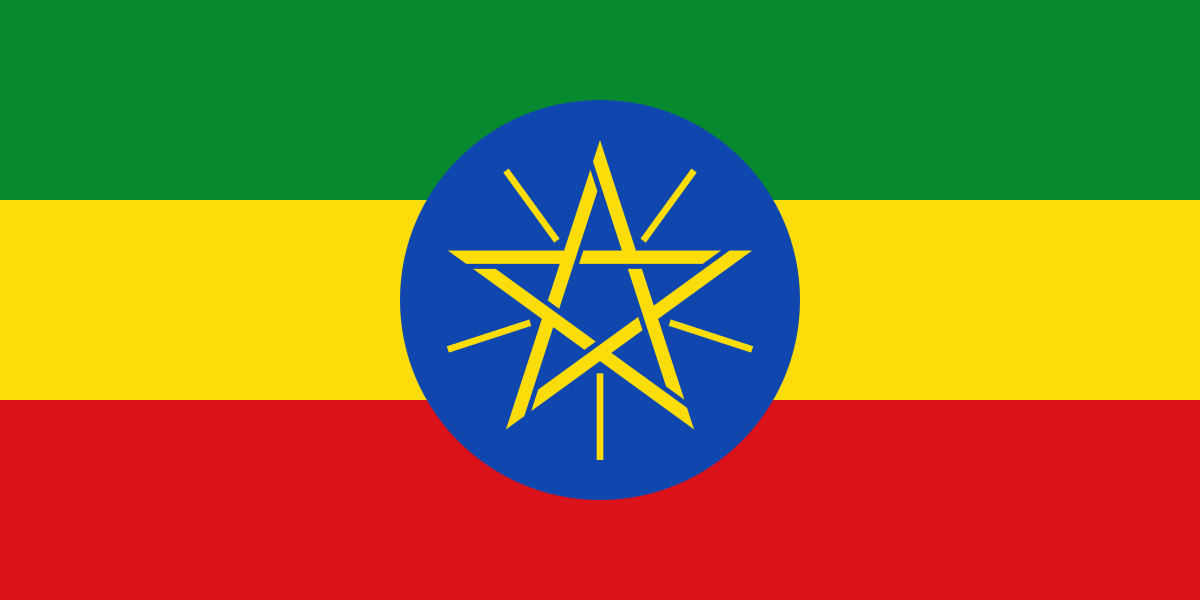
The birthplace of Arabica
Where coffee began. Washed Ethiopians are delicate, floral, and bright with jasmine and lemon; naturals turn wild and fruity, all blueberry and stone fruit. The reference point for everything floral and high-toned.
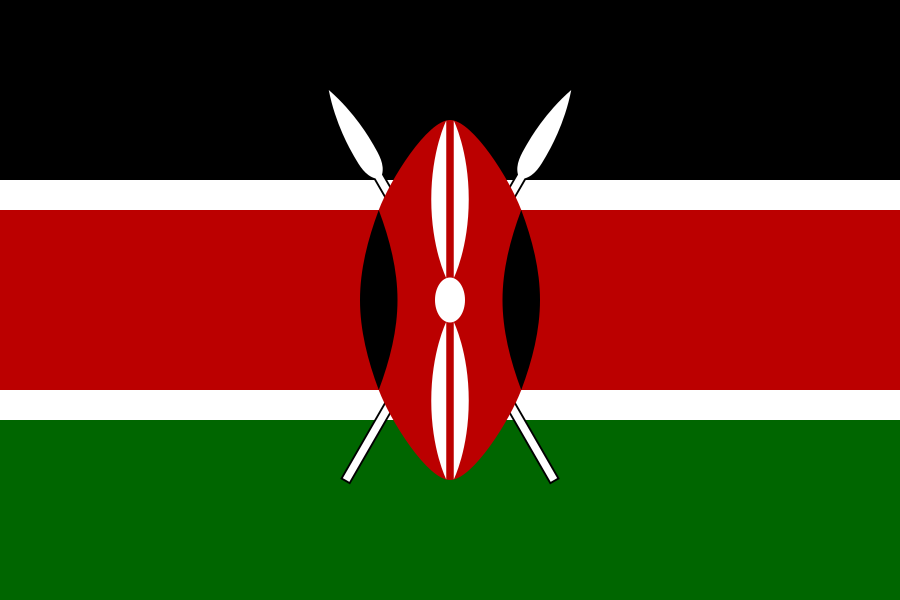
Bright, bold, and juicy
The loud one. Famous SL28 and SL34 varieties from the central highlands give a bold, almost savory-sweet cup with blackcurrant and grapefruit acidity. Intense and unmistakable.
We’ve cold-brewed beans from several of these origins. See how they actually taste.
Browse the reviews → Malamig Brew