Why we love it
Because it’s smoother, sweeter, and gentler than hot coffee, and because it’s the easiest, most forgiving way to actually taste what makes one bean different from the next. Cold brew is how we fell back in love with coffee.
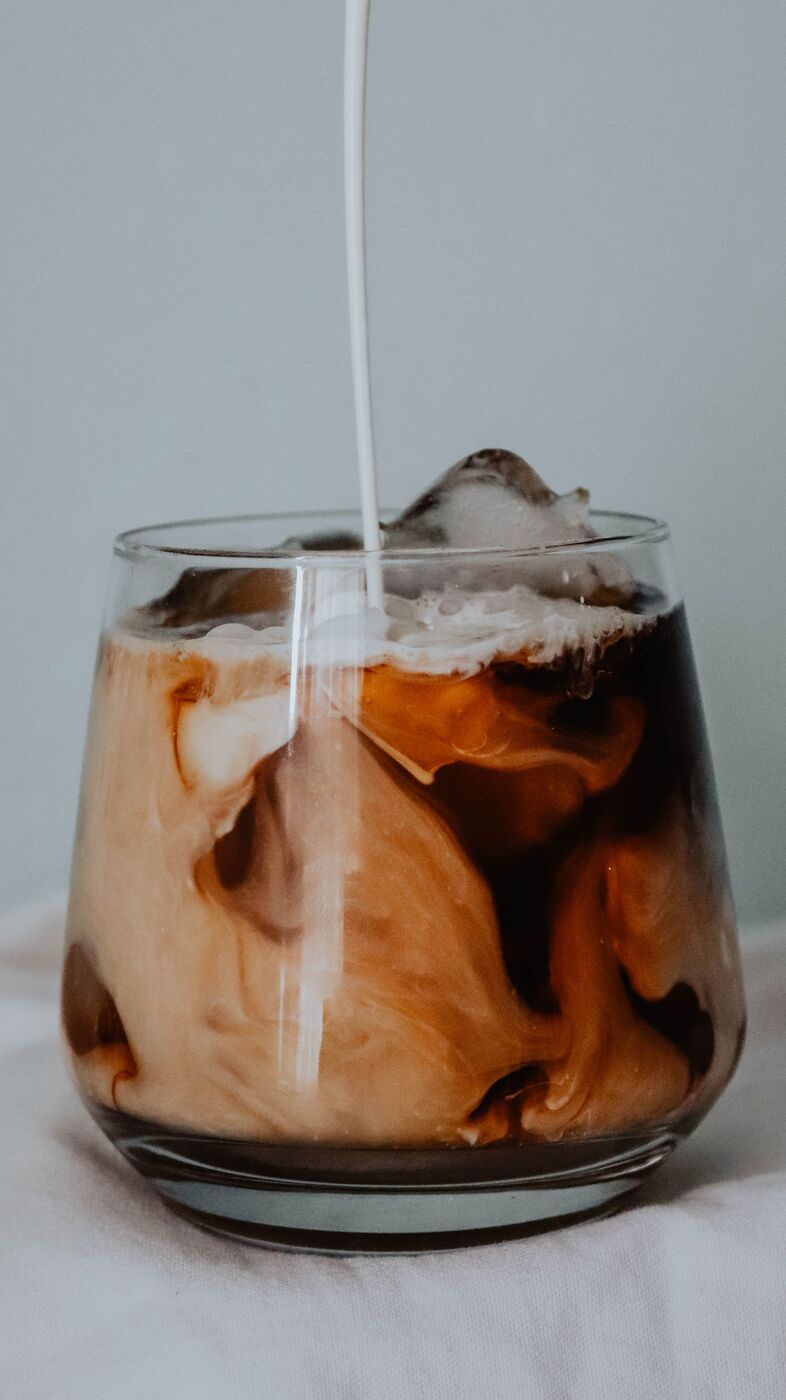
The good stuff
Brewing cold pulls far less of the sharp, acidic compounds that hot water releases. It’s smoother in the cup and noticeably gentler on a sensitive stomach.
The slow, cool extraction favors the sweet, rounded notes and leaves the bitter ones behind. Most beans taste sweeter cold. No sugar required.
Rounded body, clean finish, no harsh edges. Cold brew is the cup you can sip all afternoon, black, over ice, exactly as it is.
No machine, no skill, no hot water, nothing to burn. Coffee, water, a jar, the fridge. About two minutes of effort and time does the rest.
Cold vs hot
Cold extraction changes what ends up in the glass. Directionally, here’s how cold brew compares to the same coffee brewed hot.
Directional comparison for the same coffee. Exact results vary by bean, grind, and steep time.
The fun part
Single-origin coffee is all about discovery. A washed Ethiopian tastes nothing like a natural from Bukidnon. Cold brew is the clearest window into that. With the harsh, acidic noise turned down, a bean’s real character (the berry, the cocoa, the floral lift) comes through plainly.
And because the method is so forgiving, you can taste bean after bean without fussing over temperature or technique. Just swap the coffee, keep everything else easy, and let each origin show you what it’s got.
Almost too easy
Coarse-ground coffee and cold water into a jar or pitcher. Roughly one part coffee to ten parts water. Eyeball it, it’s forgiving.
Give it a stir so everything’s wet, pop a lid on, and you’re done with the hard part. That was the hard part.
Leave it overnight. Cold and slow does the work that heat usually rushes: no watching, no timing, no skill.
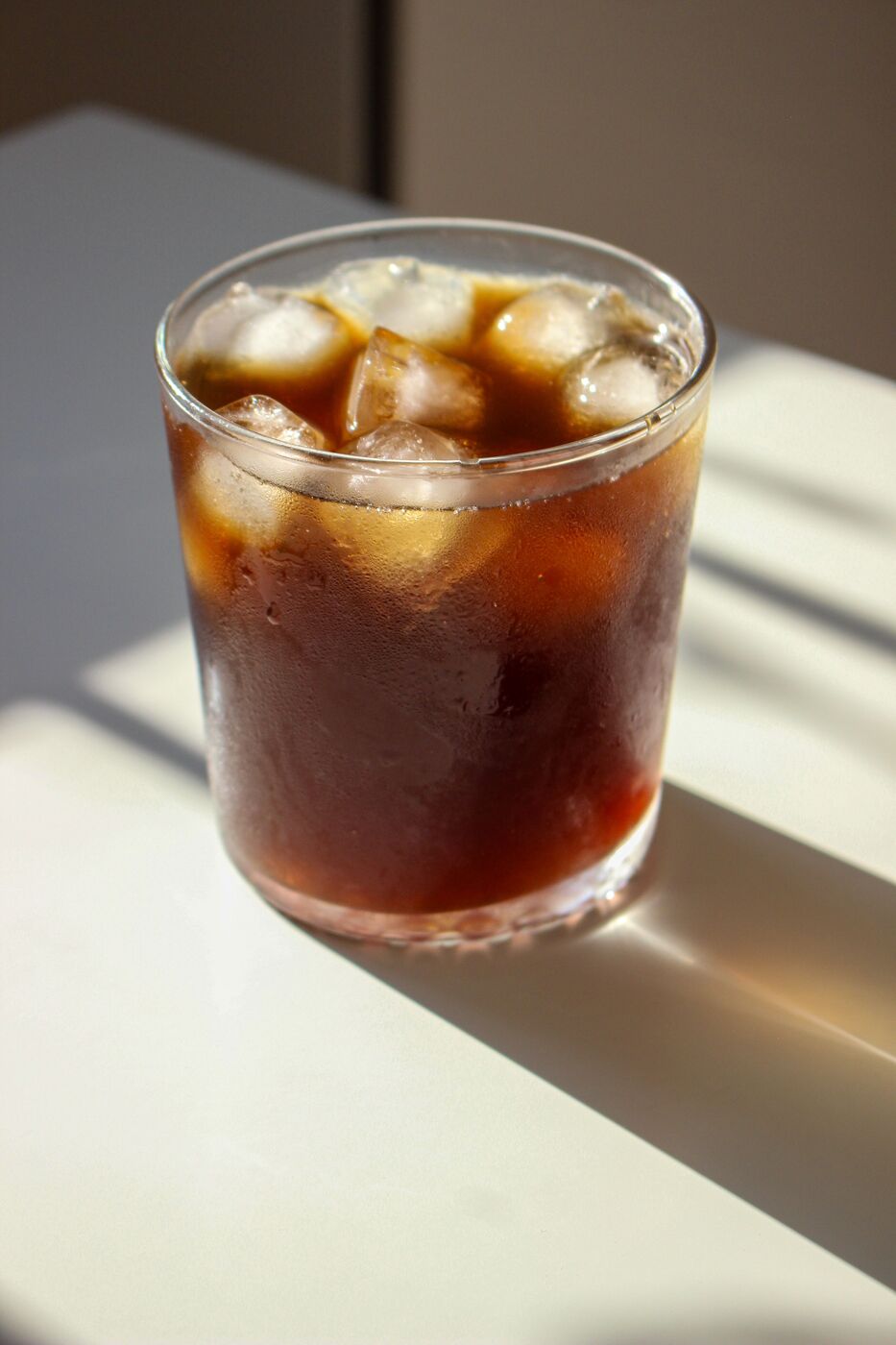
Filter out the grounds, pour over ice, and drink it black. That’s genuinely it.
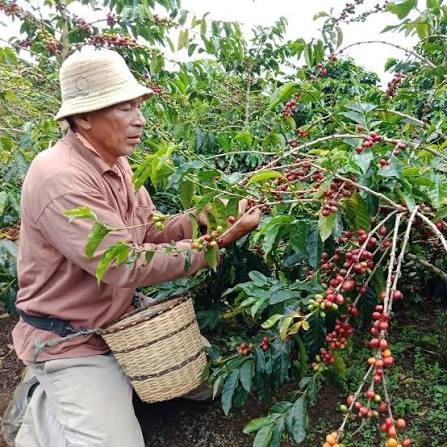
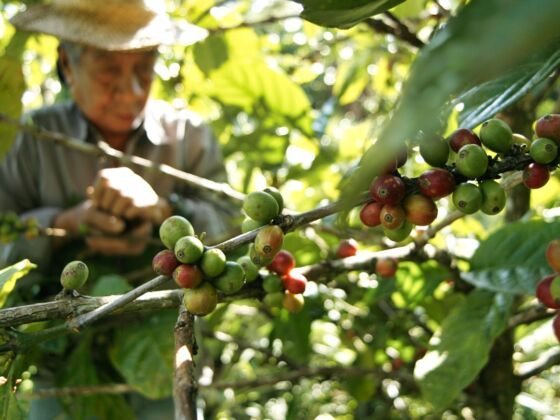
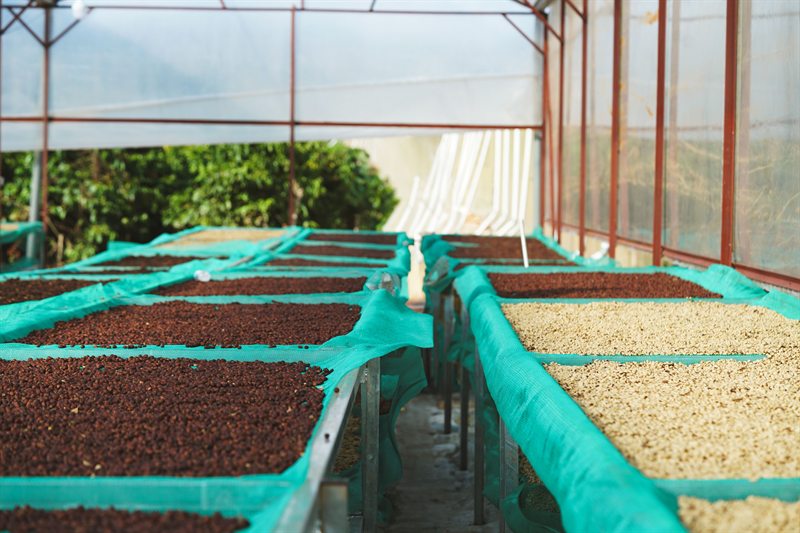
It starts long before the glass
 Malamig Brew